
Wound Care & Fixation
Polyurethane Foam Dressing, Adhesive or Non-Adhesive
Soft, highly absorbent wound care
The Foam Dressing is designed to absorb wound exudate while providing a soft and comfortable environment for wound healing.
Key takeaways
- Hydrophilic polyurethane foam that absorbs moderate to heavy wound exudate.
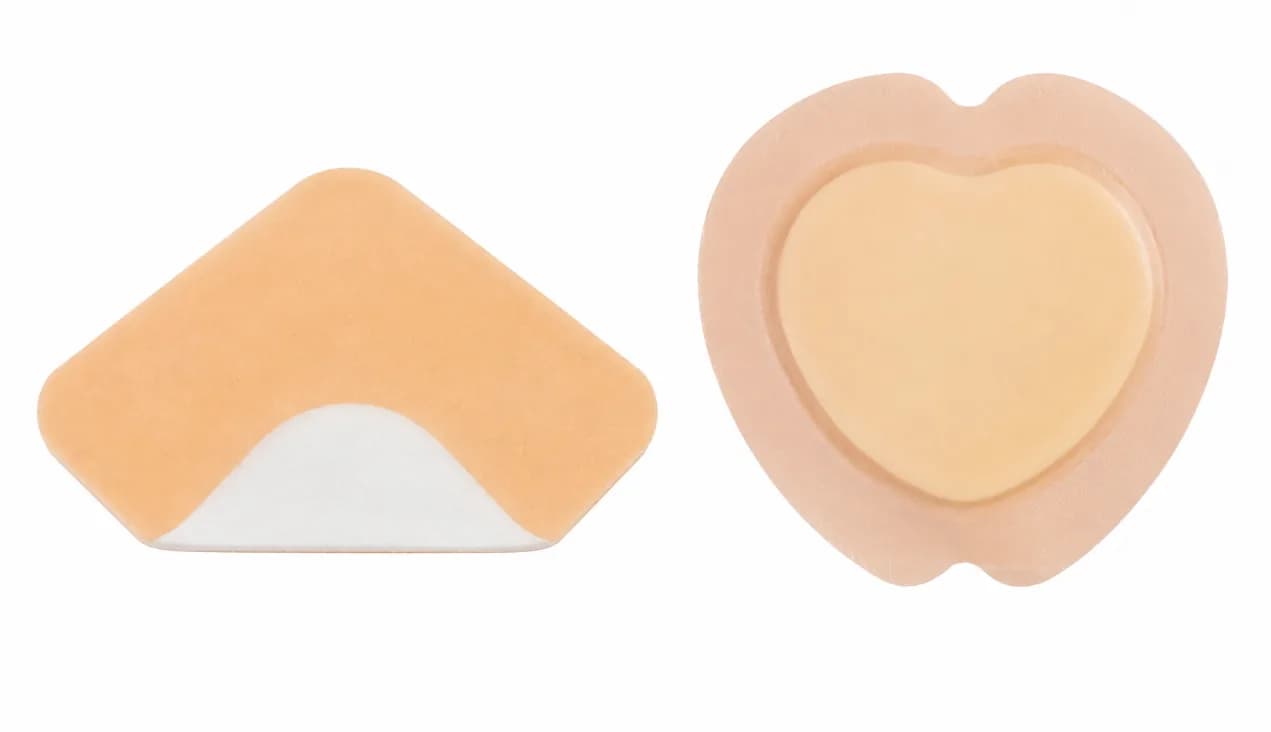
- Adhesive or non-adhesive, 5 × 5 to 20 × 20 cm, plus sacral, heel and bordered shapes with bevelled edge.
- Listed for pressure ulcers, diabetic foot ulcers, burns and post-operative wounds.
This foam dressing is made of hydrophilic polyurethane foam that absorbs moderate to heavy exudate while staying soft against the wound. Unlike our bordered silicone foam dressing, it has no silicone layer and is offered in adhesive and non-adhesive versions, plus shaped formats.
Key Features
- Hydrophilic polyurethane foam; soft, highly absorbent and breathable
- Adhesive or non-adhesive versions
- Square sizes from 5 × 5 cm to 20 × 20 cm
- Sacral, heel and bordered shapes with bevelled edge
- Helps protect the wound from external contamination; single use
Applications
Listed for pressure ulcers, diabetic foot ulcers, burns and post-operative wounds with moderate to heavy exudate. The non-adhesive version is held with a secondary dressing or retention tape; the adhesive and bordered versions fix on their own. Sacral and heel shapes suit the pressure-prone sites they are named for.
How to specify when requesting a quote
- Adhesive or non-adhesive, square or shaped
- Size for each SKU
- Sterile or non-sterile, and pouch format
- Bulk hospital pack, retail pack or private label
- Destination market and required documents
Technical and purchasing information
The Foam Dressing is designed to absorb wound exudate while providing a soft and comfortable environment for wound healing. The final configuration, packaging and supporting documents are confirmed against your order and destination market.
- Material
- Hydrophilic polyurethane foam
- Features
- Soft, highly absorbent and breathable
- Function
- Absorbs moderate to heavy wound exudate
- Protection
- Helps protect the wound from external contamination
- Application
- Suitable for pressure ulcers, diabetic foot ulcers, burns and post-operative wounds
- Sizes
- Various sizes and shapes available
- Use
- Single use only
Application and configuration
Confirm the intended use, material, size and model before sample approval or production. Product-specific options are recorded in the quotation and specification sheet.
Packaging and cartons
Packaging, artwork and carton requirements can be reviewed for the selected product. Feasibility is confirmed for the exact order rather than assumed across the category.
Quality and documentation
Available quality and export records vary by product and market. Share the destination and required documents so they can be checked before approval.
Buyer questions, answered
Clear answers for preparing a comparable sourcing request for Foam Dressing.
When should you use a foam dressing?
Foam dressings are chosen for moderate to heavy exudate. This dressing is listed for pressure ulcers, diabetic foot ulcers, burns and post-operative wounds; the clinician decides for each wound.
Foam dressing vs hydrocolloid: which should you choose?
Foam absorbs more exudate and is listed for moderate to heavy exudate. Our hydrocolloid dressing is listed for low to moderate exudate and keeps a moist environment under a waterproof backing.
Foam dressing vs alginate: what is the difference?
Alginate dressings are made of calcium alginate fibers and come as sheets or ropes for heavily exuding and cavity wounds. Foam dressings are polyurethane sheets. Alginate dressings are also in our catalog and can be quoted on request.
What sizes do foam dressings come in?
Square sizes run from 5 × 5 cm to 20 × 20 cm, in adhesive and non-adhesive versions. Sacral, heel and bordered shapes are also available.
Request the technical datasheet
Include your destination market, target quantity and preferred packaging.
Related products